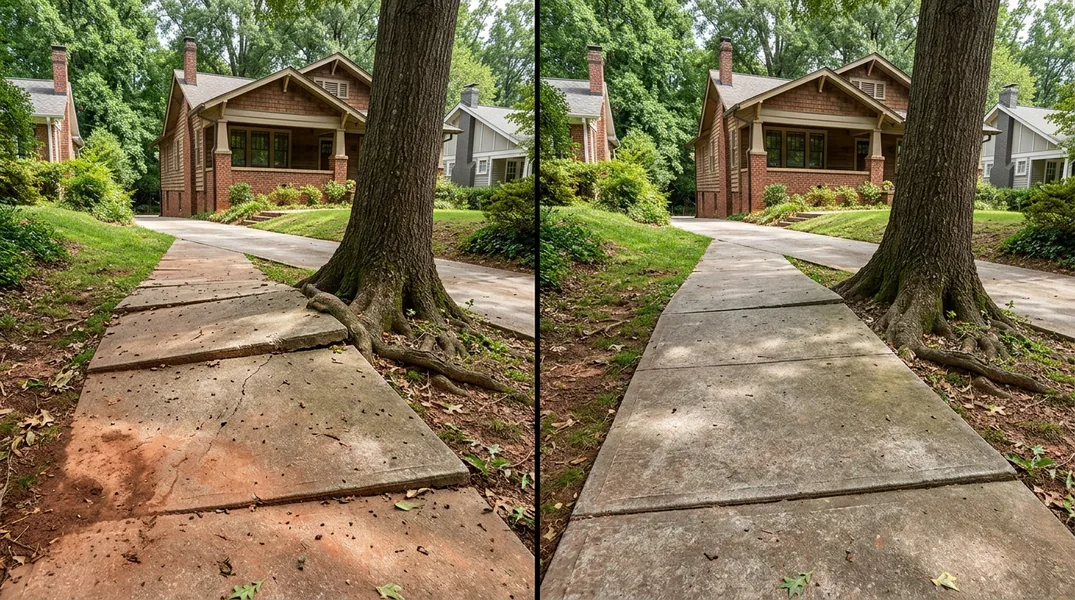
Understanding Georgia Red Clay and Its Impact on Concrete
If you own a home in Atlanta, you've probably noticed the distinctive reddish soil that seems to stain everything it touches. That's Georgia red clay, and it's one of the most challenging soil conditions for concrete installation and longevity in the Southeast. Unlike sandy or well-draining soils, red clay is highly expansive, meaning it swells dramatically when wet and shrinks when dry. This constant movement places enormous stress on concrete foundations, Concrete Driveways, and other structures built on top of it.
The problem becomes especially acute during Atlanta's humid summers and variable spring rainfall patterns. When moisture penetrates the soil beneath your concrete, the clay particles absorb water and expand, pushing upward against your driveway or patio with considerable force. Conversely, during dry spells, the clay contracts, creating voids and settling issues. This repetitive cycle of expansion and contraction is the primary reason why clay soil foundation cracking occurs so frequently in Georgia. Homeowners who don't understand this geology often wonder why their concrete is failing when the installation itself was done correctly. The truth is that Georgia's unique soil composition demands specialized design and maintenance strategies that many contractors overlook.
How Expansive Soil Damages Concrete Over Time
Expansive soil concrete damage in Atlanta doesn't happen overnight, but the progression is predictable and preventable if you understand the mechanism. When red clay absorbs water, it can expand with a force exceeding 10,000 pounds per square inch. This pressure is more than enough to crack even well-reinforced concrete slabs. The damage typically starts as hairline cracks that seem insignificant, but these small fractures allow water to penetrate deeper into the concrete and the soil below, accelerating the cycle of expansion and deterioration.
Over months and years, small cracks widen into major fissures, and the concrete surface begins to heave or settle unevenly. You'll notice your driveway developing a wavy appearance, or sections becoming higher or lower than adjacent areas. Pooling water in low spots accelerates the problem because standing water keeps the clay perpetually moist and expanded. In severe cases, concrete can crack into large chunks or buckle so dramatically that it becomes a tripping hazard and a serious liability concern. The freeze thaw concrete damage that occurs in colder climates is compounded in Atlanta by the constant moisture fluctuations driven by expansive clay soil, making the problem even more complex than in northern regions.
Why Atlanta's Climate Amplifies Concrete Problems
Atlanta's subtropical climate creates a perfect storm for expansive soil issues. The city experiences significant rainfall throughout the year, with particularly wet springs and occasional summer downpours that saturate the red clay deep underground. Unlike truly arid regions where clay soil remains stable because it stays dry, Atlanta's moisture levels keep the soil in a constant state of flux. Additionally, the temperature swings between winter and summer, combined with the moisture cycling, create conditions that accelerate concrete deterioration. While Atlanta doesn't experience the extreme freeze thaw concrete cycles that plague Denver and other northern cities, the moisture-driven expansion and contraction in Georgia's red clay can be equally damaging over time.
The humidity itself is another factor that homeowners often underestimate. High humidity slows evaporation from concrete surfaces and soil, which means the red clay stays wetter longer after rainfall. This extended moisture exposure gives the clay more time to swell, increasing the upward pressure on concrete. When you combine this with the region's occasional cold snaps that can freeze moisture in the top layers of soil, you get a complex set of stresses that standard concrete installations simply aren't designed to handle. This is why choosing a contractor who understands local soil conditions, like Atlanta Concrete, is so critical for long-term success.
Concrete Repair and Prevention Strategies for Red Clay Soil
Concrete Repair & Resurfacing becomes necessary when damage from expansive soil has already occurred, but the best approach is prevention from the start. If you're planning new Concrete Driveways or Concrete Patios, experienced contractors will address the soil issue directly. This might include removing the top layer of clay and replacing it with compacted granular base material that doesn't expand, installing a moisture barrier beneath the concrete, or designing the concrete slab with reinforcement and control joints that accommodate expected movement. Some projects require a thicker concrete section or specialized additives that improve durability in expansive soil conditions.
For existing concrete that's already showing signs of damage, the repair approach depends on severity. Minor cracks can be sealed to prevent water infiltration and further expansion. More significant heaving or settling may require concrete lifting and leveling techniques, or in some cases, partial or complete replacement of the affected sections. The key is addressing the underlying soil issue, not just patching the concrete surface. A qualified contractor will assess the moisture conditions, evaluate the extent of clay expansion, and recommend solutions that prevent the problem from recurring. If you're noticing cracks, uneven surfaces, or other signs of concrete distress in Sandy Springs, Roswell, or Alpharetta, don't wait for the problem to worsen. Contact Atlanta Concrete at (678) 539-6150 for a professional assessment.
Concrete Driveways Near Me: When to Call a Professional
Recognizing when you need professional help is the first step toward protecting your concrete investment. If you're seeing cracks wider than 1/8 inch, uneven surfaces where one section of concrete is noticeably higher than an adjacent section, or areas where water consistently pools after rain, these are all signs that expansive soil is at work. Some homeowners attempt DIY repairs with caulk or concrete patch products, but these temporary fixes rarely address the underlying soil movement. Once the clay continues to expand and contract, the patch will fail, often within months. Professional contractors have access to proper materials, equipment, and techniques that actually solve the problem rather than mask it.
When you call for a free estimate, a qualified contractor will perform a thorough inspection to determine whether you're dealing with expansive soil damage, poor drainage, inadequate reinforcement, or a combination of factors. They'll explain your options clearly and provide honest recommendations based on what will actually work for your specific situation. In some cases, minor repairs are sufficient. In others, more extensive work is necessary to ensure the concrete remains stable for years to come. Atlanta Concrete serves the entire Atlanta area and understands the unique challenges that red clay soil presents. Our team has the expertise to design and execute repairs that account for local soil conditions and climate patterns.
Long-Term Maintenance to Protect Your Concrete Investment
Once you've invested in quality concrete installation or repair, proper maintenance becomes essential for protecting that investment against Georgia's red clay and climate. The most important maintenance task is managing water drainage around your concrete. Ensure that gutters and downspouts direct water away from driveways and patios, and grade the surrounding soil so that water slopes away from the concrete rather than pooling against it. During heavy rain periods, monitor areas where water tends to collect and consider installing drainage solutions if standing water is a persistent problem. By keeping the soil beneath your concrete as dry as possible, you significantly reduce the expansion cycles that cause damage.
Sealing your concrete every two to three years provides an additional layer of protection by reducing moisture penetration into the concrete itself. While sealing won't prevent soil expansion, it slows water absorption and helps the concrete resist the stresses caused by that expansion. Regular inspection for new cracks or signs of heaving allows you to address problems early, when repairs are simpler and less expensive. If you notice changes in your concrete's condition, address them promptly rather than hoping they'll go away on their own. The longer you wait, the more extensive the damage typically becomes. For homeowners in Atlanta seeking professional guidance on maintenance, repair, or new installation that accounts for expansive soil conditions, Atlanta Concrete offers comprehensive services backed by local expertise. Call (678) 539-6150 today to discuss your concrete needs and learn how we can help you avoid or solve expansive soil problems.
Looking for a professional tree service in Atlanta? Atlanta Concrete responds fast for all your concrete needs.
Get a Free QuoteOur services: Concrete Driveways · Concrete Patios · Stamped & Decorative Concrete